↵
Yimin Edgebanding Decorative Material Co., Limited. : Your Professional PVC Edge Banding Manufacturer!
Established in 2008, Yimin Edgebanding Decorative Material Co., Limited. is a professional manufacturer of Furniture Edge Banding Tape, Office PVC Edge Band, Cabinet PVC Edge Band Strip and Heterromorphic Edge Band and ABS Edge Band Tape. The company covers an area of 15000 square meters, owning 30 sets of modern equipment for edge banding production line and more than 120 professional staff.
Rich Products
Our products include PVC Edge Banding, 3mm PVC Edge Banding, Cabinet PVC Edge Banding, High Gloss PVC Edge Banding Tape, Plastic Edge Banding, E3 Edge Band, Melamine PVC Edging, ABS Edge Banding & etc. With 15 years of industry experience in manufacturing edge banding decorative materials, we can provide professional customize solutions for customers to fully meet their needs.
Strong Production Capability
Located in Xiamen city, Fujian province, the company owns 30 sets of modern equipment for edge banding production line covering a total area of 15000 square meters. Moreover, we have more than 120 professional staff with rich experience in manufacturing manufacturing edge banding decorative materials.
Professional Solution
With rich experience and one-to-one service, we can help you choose products and answer technical questions. We cooperate with professional sea shipping, air and logistics companies to provide you with the best transportation solution, and we will update the logistics information of the goods in time to ensure that the goods are delivered in time.
Leading Service
We have many years of industry experience, a complete production management, quality supervision, and sales service operation system. Whether you want to purchase PVC Edge Banding or ABS Edge Banding, just email your requirements and we can customize the product for you.

Edge Banding Roll is typically made in rolls of super thin wood, such as birch or oak. It's flexible, and comes in rolls of varying lengths and widths. When affixed, it provides a smooth, clean finishing touch with a wood-grain effect. You can affix Edge Banding Roll to many surfaces, including wood, plywood trim, particle board, hardboard, and even metal. This increases durability and creates the appearance of a more solid or valuable material.

Metal Edge Banding For Laminated Door
Metal Edge Banding For Laminated Door is made with aluminum stainless steel. It provides a modern and industrial aesthetic, adding a seek and contemporary look to furniture and futures. It finds applications in contemporary furniture designs, commercial interiors and industrial equipment where a modern and desirable finish is required. These types of banding ensure precise alignment during application.

Edge Banding Tape is a thin material used to seal the exposed and raw edges of plywood. Heat sensitive adhesive on one side is applied to the board while the other side acts as a barrier against dirt and moisture. Edgebanding is mainly done to cover plywood sides in order to match a cabinet's finished look, but it also protects the inner plywood from possibly warping.

PVC edge banding is a thin strip of thermoplastic material applied to the exposed edges of furniture components. It is made from Polyvinyl Chloride (PVC), which is a type of plastic polymer material that becomes moldable at certain high temperatures and then becomes solid after cooling. PVC edge banding is a versatile and essential component in the world of furniture and interior design. It is often used as an alternative to wood edgebanding because it is more durable, resistant to moisture, and less expensive.

T Edge Banding is an incredibly durable and flexible type of edge banding material that is an extruded shape with a center barb that gets pressed into a slot cut into the edge of a panel. It provides strong impact protection and a nice finished look. T Edge Banding is made using PVC and polypropylene, and is available in many standard or custom profiles and colors, including woodgrains. Because of its unorthodox shape, each T Edge Banding profile has a different-sized barb that will fit snugly into the slot. They are designed to seat firmly and hug the edge permanently.

U-Shape Edge Band is a type of PVC or ABS tape with a U-shaped profile that is applied to the edges of furniture or other items to create a smooth and finished look. It is also known as 'flexible edge banding' due to its flexibility, making it easy to apply on curved or irregularly shaped edges.

U-shaped pvc edge banding for panels and appliance decoration involves the use of a specific type of edging to enhance and protect the edges of materials and appliances, respectively
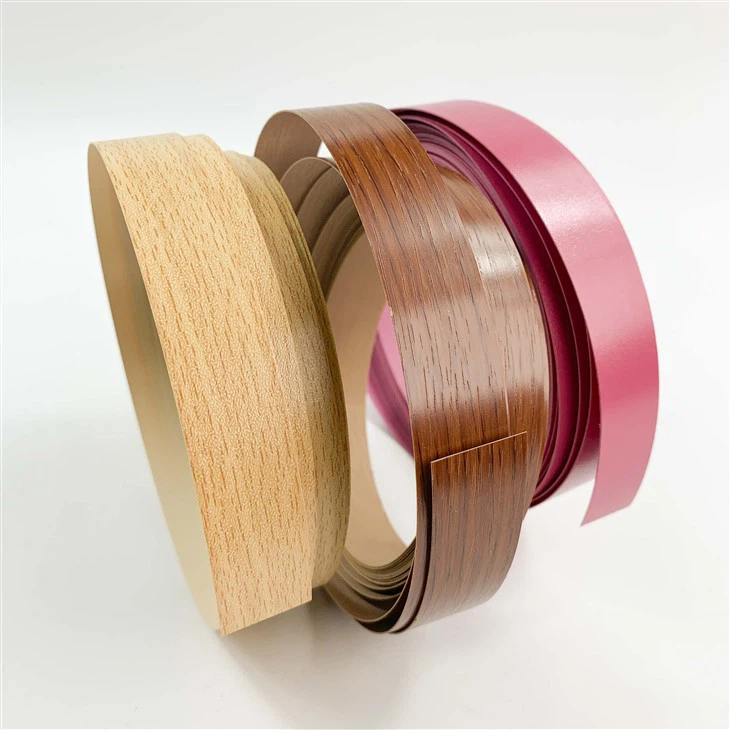
Roller offset edge banding is a technique used in woodworking and furniture manufacturing to apply edge banding material to the edges of panels, such as particleboard, MDF (Medium Density Fiberboard), plywood, etc. The term "roller offset" refers to the configuration of the rollers, which are positioned slightly off-center. This design ensures uniform pressure distribution along the edge, resulting in a consistent and precise application of the edge banding material.
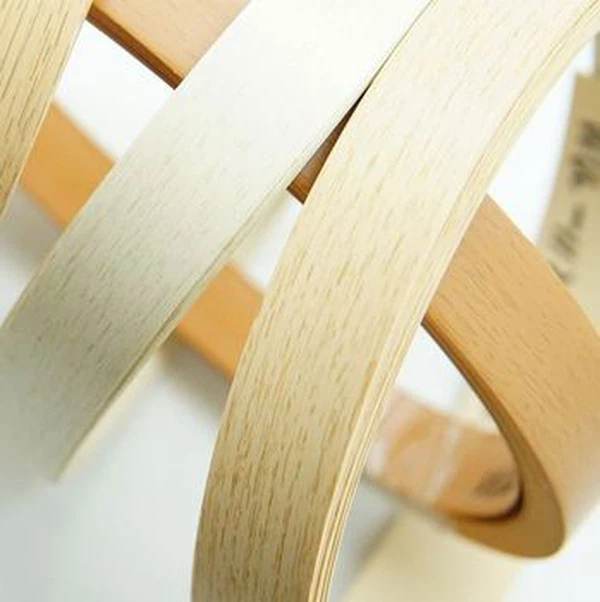
PVC abs edge banding In the world of furniture production and interior design, the quality of the final product largely depends on the materials used. Edging is a key element that greatly affects the beauty and durability of furniture. Among the countless edging materials available, two are particularly popular: ABS (acrylonitrile butadiene styrene) and PVC (polyvinyl chloride). In this comprehensive guide, we'll take a deep dive into the world of ABS edging vs. PVC edging to help you discern which option offers the best value for your business.
What is PVC Edge Banding?
PVC edge banding is a thin strip of thermoplastic material applied to the exposed edges of furniture components. It is made from Polyvinyl Chloride (PVC), which is a type of plastic polymer material that becomes moldable at certain high temperatures and then becomes solid after cooling. PVC edge banding is a versatile and essential component in the world of furniture and interior design. It is often used as an alternative to wood edge banding because it is more durable, resistant to moisture, and less expensive.
Benefits of PVC Edge Banding
Durability
One of the primary advantages of PVC edge banding is its durability. It is resistant to moisture, heat, and impact, making it ideal for use in areas that experience high traffic and frequent use. Unlike wood veneer, PVC does not chip, crack, or peel easily, ensuring a longer lifespan for the furniture.
Versatility
PVC edge banding is available in an extensive range of colors, patterns, and finishes. Whether you're looking for a high-gloss finish, a matte look, or a wood grain pattern, PVC edge banding can cater to your specific design requirements. This versatility allows for greater creativity and customization in furniture design.
Ease of Maintenance
PVC edge banding is easy to clean and maintain. It does not absorb stains and can be wiped clean with a damp cloth, making it a practical choice for kitchen cabinets, bathroom vanities, and other furniture pieces that are exposed to spills and dirt.
Cost-Effectiveness
Compared to other types of edge banding materials like wood veneer or solid wood, PVC is more cost-effective. It provides a high-quality finish at a lower price point, making it an attractive option for both manufacturers and consumers.
Factors to Consider When Choosing PVC Edge Banding
PVC edge banding plays an indispensable role in the world of woodworking and furniture manufacturing, elevating both the functionality and aesthetics of the final product. The quest for the right PVC edge banding, or edge banding in general, is pivotal in achieving a polished look and ensuring long-lasting durability. Here are five critical factors to consider when selecting the PVC edge banding to elevate your woodworking and furniture projects:


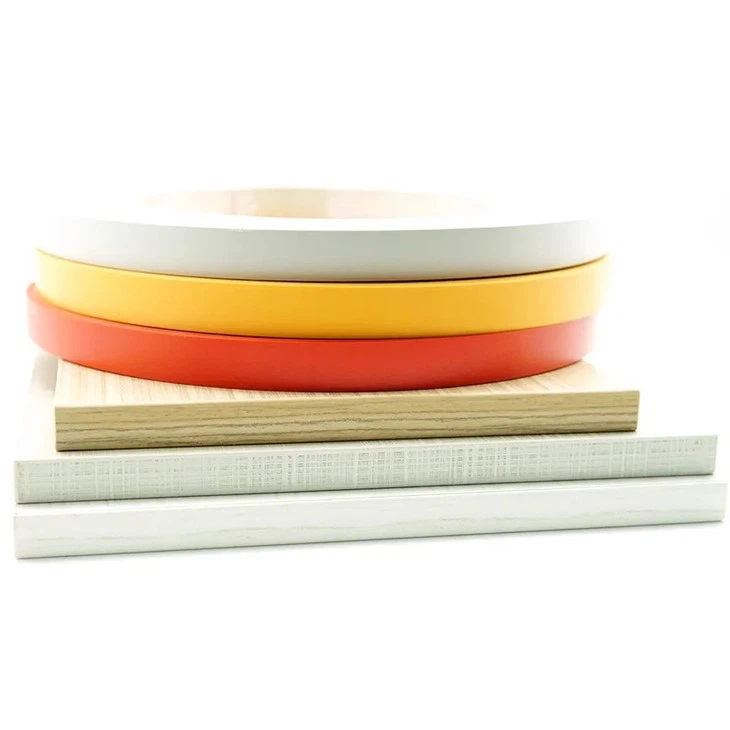
Material Compatibility
The cornerstone of your decision lies in ensuring that the PVC edge banding material harmonizes seamlessly with the core material of your panels. The spectrum of choices encompasses PVC edge banding, ABS edgebanding, wood veneer edgebanding, and even metal edge banding. Each material boasts its unique advantages, so your choice should align with the specific requirements and desired appearance of your project.
Thickness and Width
Achieving a flawless fit hinges on matching the thickness of the PVC edgebanding to that of your panels. Additionally, the width of your chosen PVC edge banding or edge banding will significantly influence both coverage and overall aesthetics. Wider options project a bold edge, while narrower selections offer a more subtle and refined look.
Color and Pattern
The color and pattern of your selected PVC edge banding wield considerable influence over the visual impact of your project. You can opt for a seamless color match with your panels or introduce a captivating contrast to impart a decorative flair. For instance, materials like wood veneer edge banding bring the warmth and character of natural wood grain patterns into your design.
Edge Profile
The choice of an edge profile serves as a design and functionality decision. Various profiles are at your disposal, including square, beveled, bullnose, and chamfered edges. Rounded profiles like bullnose provide a comfortable finish for tabletops, whereas square profiles emanate a modern and pristine look, ideally suited for cabinets.
Application Method
The application method is a pivotal consideration when it comes to applying PVC edge banding. Options range from hot air and adhesive bonding to laser bonding, each influenced by factors like production volume and equipment availability. Making the right choice here can streamline your workflow and enhance efficiency.
Tips and Techniques for Achieving Seamless PVC Edge Banding Joints
PVC edge banding stands as a popular choice for finishing furniture and cabinetry, providing a durable and visually appealing solution. Achieving seamless joints is a hallmark of skilled craftsmanship, elevating the overall aesthetics of the project. In this article, we'll delve into valuable tips and techniques to ensure your PVC edge banding joints are not only strong but practically invisible.
Invest in High-Quality PVC Edge Banding
Begin with quality materials. Opt for high-grade PVC edge banding that matches the color and texture of your substrate. Quality PVC edge banding contributes significantly to achieving seamless joints.
Precision in Cutting PVC Edge Banding
Accurate cutting is the foundation of seamless joints. Use a sharp blade or specialized edge band trimmers to ensure clean, straight cuts. Precision at this stage minimizes the need for excessive filing or sanding later.
Temperature and Adhesive Control for PVC Edge Banding
Temperature plays a crucial role in the adhesion process for PVC edge banding. Ensure the ambient temperature is suitable for the specific adhesive you're using. Follow the manufacturer's guidelines for both the PVC edge banding and the adhesive application temperature.
Proper Edge Preparation for PVC Edge Banding
A well-prepared substrate is essential for PVC edge banding applications. Sand the edges of your furniture or cabinetry to create a smooth surface for the PVC edge banding. This step enhances adhesion and contributes to a seamless finish.
Use of PVC Edge Banding Jigs
Jigs can be incredibly helpful in achieving consistent results with PVC edge banding. Design or purchase jigs that assist in aligning and securing the PVC edge banding in place during application. This helps avoid slips or misalignments.
Roller Application Technique for PVC Edge Banding
When applying the PVC edge banding, use a roller to ensure even pressure and optimal contact between the PVC and the substrate. A uniform application pressure contributes to a strong bond and minimizes the chances of air bubbles with PVC edge banding.
Careful Trimming and Filing of PVC Edge Banding
Once the PVC edge banding is applied, careful trimming is crucial. Use a sharp trimming tool or router to remove excess PVC edge banding material, and follow up with fine-grit sandpaper or a file for a smooth, seamless transition between the PVC edge banding and the substrate.
Consider Pre-Glued PVC Edge Banding
Pre-glued PVC edge banding comes with adhesive already applied. While it might be slightly more expensive, it can streamline the application process for PVC edge banding and ensure a consistent layer of adhesive for a seamless joint.
Frequently Asked Questions
Hot Tags: pvc edge banding, China pvc edge banding manufacturers, suppliers, factory, granite effect vinyl edge banding, vinyl edge band, granite effect vinyl edge band, decorative vinyl edge band, woodgrain vinyl edge banding, colored pvc edge band